Hidden Signs of a Terrific Assisted Living Home: A Practical Guide for Households
Business Name: BeeHive Homes of Portales
Address: 1420 S Main Ave, Portales, NM 88130
Phone: (505) 591-7025
BeeHive Homes of Portales
Beehive Homes of Portales assisted living is ideal for those who value their independence but require help with some of the activities of daily living. Residents enjoy 24-hour support, private bedrooms with baths, medication monitoring, home-cooked meals, housekeeping and laundry services, social activities and outings, and daily physical and mental exercise opportunities. Beehive Homes memory care services accommodates the growing number of seniors affected by memory loss and dementia. Beehive Homes offers respite (short-term) care for your loved one should the need arise. Whether help is needed after a surgery or illness, for vacation coverage, or just a break from the routine, respite care provides you peace of mind for any length of stay.
1420 S Main Ave, Portales, NM 88130
Business Hours
Choosing an assisted living community is one of those decisions that looks easy on paper and feels heavy in real life. Pamphlets, websites, and trips all show the very same smiling citizens, the exact same staged activity images, the very same spotless lobby. Yet you may leave of one building with a knot in your stomach and leave another feeling oddly assured, even if you can not rather describe why.
Those suspicion typically respond to real signals. For many years, dealing with households and checking out lots of senior care settings, I have learned that the most important indications are often small and easy to miss out on. This guide focuses on those quieter indications, the ones that rarely appear in marketing materials however state a lot about day to day life for your parent or spouse.
I will assume you currently understand the essentials: look at licensing, compare expenses, evaluation care levels, and ask about personnel ratios. Valuable, yes, however insufficient. The difference in between "appropriate" and "excellent" assisted living typically shows up in the information, especially around culture, consistency, and how individuals really behave when nobody is attempting to impress you.
Why the surprise indications matter more than the sales pitch
A good assisted living or respite care stay does more than keep a person safe. It maintains identity. It supports daily self-respect. It produces a rhythm that feels like living, not just being housed.
Most poor experiences do not come from one remarkable event. They grow from numerous small problems that never get fixed: unanswered call bells, hurried showers, meals that arrive cold, personnel turnover, complicated rules. On the other hand, a lot of favorable stories share a pattern of strong relationships, predictable regimens, and a culture that values senior citizens as whole people.
Those patterns are difficult to evaluate from a sales brochure. You see them finest by checking out, observing, and asking the right type of questions.
First impressions that actually anticipate quality
Families typically discover décor, furnishings, or the size of the lobby. Those things matter less than you might think. When you initially stroll in, take note of a couple of subtler clues.
How personnel welcome you and others
Reception is your very first informal test. Not of hospitality as a performance, however of the neighborhood's default tone.
If the front desk individual looks up, makes eye contact, and acknowledges you within a couple of seconds, it tells you that visitors and households are expected and welcome. If you see staff walking by citizens in the corridor, notice whether they utilize names, touch a shoulder, or provide a brief hello without prompting.
You wish to see heat that looks practiced in the best way, as if individuals have actually been doing it for a while, not only turning it on when a supervisor strolls by.
A couple of real world signs I have discovered dependable:
- Staff speak with residents before they talk about residents. For instance, a caregiver sees you near a resident and says, "Hey Mrs. Lewis, your daughter is here," before they welcome you.
- Housekeepers and upkeep workers interact conveniently with citizens, not only care assistants and nurses. In the very best assisted living neighborhoods, every department sees itself as part of senior care, not just the clinical team.
- When someone asks for assistance, personnel do one of 2 things: help immediately, or clearly hand off with a name and a time frame. You hardly ever hear, "That's not my job."
If you hear personnel using nicknames like "darling" or "honey" for everyone, that can be a yellow flag. Some homeowners like it, however generic animal names can indicate a culture that treats seniors as a group instead of distinct people.
The sound and pace of the building
Stand silently for a minute in a main corridor or near the dining-room. What you hear informs you a lot.
Healthy noise is scattered: discussion at various volumes, a TV in a lounge, dishes from the cooking area, distant laughter. The speed must feel active however not frantic.
Two extremes fret me. The first is heavy silence in the middle of the day. When there are lots of individuals in a structure and you barely hear a voice, it frequently suggests most homeowners are separated in their rooms or sedated. The 2nd is constant shouting, alarms, or personnel screaming over each other, which may show understaffing or bad organization.
Background music can be another hint. If music is blasting in every hallway from a main speaker, with no way to escape it, that do not have of choice can be hard for individuals with dementia or hearing loss. Thoughtful neighborhoods keep any music moderate and concentrated on common areas, or let locals control it in their own space.
How citizens really look and move
You can find out more from viewing homeowners for ten minutes than from an hour in the administrator's office.
Grooming and clothing
No one is completely provided all day, however you need to see more "assembled" than "neglected." Look for:
- Clean, seasonally suitable clothing, not pajamas at 2 pm unless the individual is plainly unwell.
- Combed hair, cut nails, tidy glasses.
- Mobility help (walkers, wheelchairs) adapted to an affordable height, not clearly too low or too high.
If you consistently see food stains, bare feet in wheelchairs, or the very same outfit day after day on different visits, that signals shortcuts in fundamental elderly care.
Posture and positioning
elderly careResidents seated in loungers or wheelchairs tell their own story. Comfortable individuals shift positions, communicate with others, or enjoy what is going on. If you see several people plunged over, sliding out of chairs, or parked in hallways dealing with the wall, that recommends a task driven state of mind: get everybody "out" instead of support them to engage.
On the other hand, in strong neighborhoods you will observe staff adjusting pillows, repositioning citizens without being asked, and asking, "Is that chair still comfortable or should we try something else?" Those small interactions show that convenience and self-respect are ongoing concerns, not just box checking.
The emotional temperature
Pay attention to faces. Are homeowners primarily neutral to material, or do lots of look distressed or upset? A couple of upset people is typical in any setting. A pattern of anxious or tearful faces deserves more questions.
Try to capture a small group chat or an activity in progress. People do not require to look delighted, however you want to see some eye contact, some small talk, some mild teasing. In good assisted living environments, homeowners form micro neighborhoods: two poker buddies, three ladies who meet for coffee, the gentleman who shares his early morning newspaper.
These informal connections are the backbone of senior care. If everyone appears alone in a crowd, the structure might exist however the social material is thin.
Staff behavior when they are not "on stage"
Almost every neighborhood puts its best individuals on a formal tour. The genuine assessment begins when you wander a bit.
What you see in corridors and at shift change
Ask if you can stroll from one end of the structure to the other, ideally during a shift duration like late early morning or mid afternoon. As you stroll:
- Notice if call lights seem to stay on for long stretches. A couple of minutes is great, fifteen is not.
- Listen for how personnel talk to each other. Jokes and banter are normal, but continuous grievances or sarcasm about citizens are a red flag.
- Watch whether personnel walk quickly but with function, or appear rushed, spread, and behind.
Shift modification is especially informing. In much better run communities, personnel get here a few minutes early, get report, and entrust to visible, arranged handoffs. If you see late arrivals, confusion, or personnel disputing who is covering whom, it might show chronic understaffing or poor leadership.
Consistency of faces
Ask the very same question of a minimum of two people on different days: "How long have you worked here?" Pay unique attention to frontline caretakers, not just managers.
A mix of tenured personnel (two years or more) and a couple of newer faces is normal. If nearly everyone you speak to has been there less than 6 months, the culture might be driving them away. Steady teams typically equate into more consistent care, fewer medication errors, and better relationships with families.
Also ask, "If my mom needs aid in the night, who comes?" You want a clear, positive action that mentions specific roles, not fuzzy references like "whoever is offered."
How leadership speak about problems
You will get more useful info by asking about what has failed than about what goes well. Every assisted living community has actually had complaints, tough households, and crises. What matters is how they respond.
I often suggest this question: "Inform me about a time in the in 2015 when you slipped up with a resident or a family was dissatisfied. What took place and what did you change after that?"
Strong leaders can offer you a specific example, even if they anonymize details. They may explain a missed shower, a medication timing concern, a dispute about a roomie, or a fall. Then they explain what they did in a different way: adjusted staffing on a shift, included a double check to medication passes, changed how they communicate.
Be careful if a manager claims, "We actually have not had any serious complaints," or rapidly blames "tough households" with no reflection. That kind of answer tells you more about defensiveness than about safety.
Another great concern is, "What type of resident is not an excellent fit here?" Sincere communities will confess limitations. They may explain that they can not securely handle aggressiveness, 2 person transfers, or very complicated medical requirements. If the response seems like, "We can manage everything," dig deeper.
Food, hydration, and the unpleasant reality of dining
Meals are main to life in assisted living. They are one of the few day-to-day occasions everybody shares. A refined menu is less important than how food and mealtimes actually feel.
Observe a meal from entrance to dessert
If possible, visit during lunch or dinner and ask to stay through the entire meal. Note when citizens start getting in the dining-room and the length of time it considers everyone to be served.
Three things generally predict fulfillment with dining:
First, timing. Many citizens ought to be seated and eating within about 30 to 40 minutes of the posted start. Longer delays create agitation, specifically for individuals with dementia or diabetes.
Second, option. Even in modest communities, there ought to be more than one choice. Try to find an alternate menu with simple items like sandwiches, eggs, soup, or salad. Ask if homeowners can swap sides, ask for smaller portions, or have actually preferences honored over time.
Third, support. View how staff assist people who can not feed themselves easily. Great practice includes sitting at eye level, cueing carefully, and pacing bites to the resident's rhythm. If you see plates eliminated quickly from sluggish eaters, or personnel standing over residents while feeding them like a job to end up, expect the same when you are not there.
Hydration is another underappreciated detail. Examine if you see water or other beverages available outside of meals: pitchers in lounges, hydration stations, or personnel routinely offering beverages throughout the afternoon. Dehydration adds to falls, confusion, and urinary infections, yet in numerous assisted living homes it receives less attention than it should.
Activities that seem like real life, not just calendar filler
Most activity calendars look impressive: bingo three times a week, crafts, movie night, exercise class. What matters is whether residents actually go to and whether the programs satisfies their energy levels and interests.
Look for a minimum of a few of the following:
- Activity areas that are actually in usage. A room filled with craft materials that always sits dark informs you activity staff are stretched too thin or citizens are not engaging.
- One to one or small group choices for individuals who do not take pleasure in large events. These may consist of space visits, brief strolls, or peaceful reading sessions.
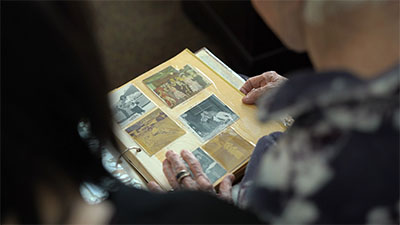
- Activities that show locals' backgrounds. If lots of homeowners grew up in your area, you might see reminiscence groups with old neighborhood images, or visitor speakers from neighboring organizations.
Ask the activity director, "Can you tell me about one resident whose involvement altered gradually?" The very best ones can explain coaxing a withdrawn individual into small steps: first sitting near the group, then joining a video game, later on assisting lead something. That reveals both patience and skill.
Pay attention, too, to how the community accommodates differing cognitive levels. If everyone is provided the very same program, those with memory loss may be overwhelmed while others are bored. Thoughtful assisted living homes and memory care units build layered choices so each person can find something suitable.
The less glamorous but crucial details
Some of the greatest predictors of quality in elderly care are boring on the surface area. They do not make for shiny pictures, yet they heavily affect everyday comfort and safety.
Cleanliness that feels resided in, not staged
Of course you desire a tidy building. But not health center sterilized, and not "cleaned just where visitors go."
When you tour, pleasantly ask to see a room that is not yet all set for move in, an energy closet, or a staff location. You are not trying to get into personal privacy, simply to see if neatness extends beyond public view.
Some specifics that normally separate solid neighborhoods from marginal ones:
- Odors that are specific and short-lived, not general and consistent. A short smell near a resident's room might just mean somebody had an accident and it is being managed. A consistent smell in corridors or common areas points to deep cleansing shortcuts or chronic incontinence that is not well managed.
- Bathroom details, like grab bars that feel sturdy, shower chairs in excellent condition, and non slip mats that lie flat. These are small however vital safety features.
- Laundry practices. Ask how they track clothes so it does not vanish, and whether families can choose to deal with laundry themselves. Regular lost products are a typical grievance and can be minimized with great systems.
Medication management without mystery
Medication errors are one of the most major risks in assisted living. You do not need to end up being an expert pharmacist, however you should comprehend how a community organizes this part of senior care.
Good concerns include:
- Who in fact gives medications? Licensed nurses, medication assistants, or a mix? What training do med assistants get, and how often?
- How do you deal with new prescriptions, dosage changes, or hospital discharges?
- What takes place if my parent declines a medication?
Listen for structured, stepwise answers, not unclear guarantees. For example, a nurse may describe double checks, electronic medication records, and documented follow up when a dose is missed out on. The more clearly they can describe the process, the most likely it exists in reality.
Family interaction and conflict handling
Family relationships are hardly ever easy. Assisted living staff operate in that intricacy every day. You desire a neighborhood that invites your involvement, sets clear limits, and stays stable when differences arise.
Notice how individuals react when you ask direct questions. Do they seem somewhat safeguarded, as if they fret you are out to catch them? Or do they lean in, explore your concerns, and deal particular examples?
One dry run: ask, "If I call with a non immediate concern, how soon should I expect a response, and from whom?" Strong communities have actually a defined channel, typically a nurse or care coordinator, and a time frame such as "within 24 hours." They might likewise welcome you to regular care conferences or household meetings.
Ask about how they handle major incidents or injuries. Who calls you, how quickly, and what information they supply. If your loved one will use respite care initially, utilize that short stay to assess whether their communication promises match your actual experience.
Conflict is inescapable. What matters is whether the community treats it as an intrusion or as part of the work. When staff can say, "We had a hard conversation with a kid recently, here is how we worked it through," you are hearing experience, not theory.
Using respite care as a trial run
Short term stays are an underrated tool. Respite care enables someone to experience the rhythms of a location without the psychological weight of a permanent relocation. It likewise offers the community a possibility to understand your loved one's needs more fully.
If possible, set up a 1 to 4 week respite stay before making a long term decision. During that duration, pay attention to:
- How your loved one looks and sounds when you visit at different times of the day.
- Whether personnel start to use their preferred name, remember regimens (for instance, coffee with 2 sugars), and anticipate needs.
- Any changes in mood, cravings, sleep, or mobility.
It is regular to see some preliminary change tension. Lots of people feel disoriented for the very first couple of days. The crucial question is whether there is a pattern towards more convenience and structure, or whether confusion and distress stay high.
Use that time to check communication, test response to concerns, and see how the neighborhood behaves when the "new resident" radiance wears off.
Balancing desires, needs, and reality
Every household faces trade offs. Perhaps the very best staffed community is farther than you wish to drive. Possibly the friendliest staff work in an older structure with smaller rooms. Maybe your parent prefers one place while you choose another.
It can help to differentiate what is truly non flexible from what is merely desirable. Security, self-respect, and sufficient staffing fall in the first classification. Design, view, and even some amenities often fall in the second.
When you discover a place that feels human, where staff seem to like both their work and the people they serve, that generally matters more than a fireplace in the lobby or a health spa menu of services.
One simple list lots of households use throughout tours focuses on 5 core dimensions:
- Safety in day-to-day routines, consisting of fall avoidance, medication management, and emergency situation response.
- Respect in interaction, from front desk to caregivers to managers.
- Engagement in life, through relationships, activities, and choice.
- Reliability of staff, shown in consistency, tenure, and how they react when things go wrong.
- Fit of worths, such as attitude toward independence, privacy, animals, or spiritual practices.
When two neighborhoods look comparable on paper, review them with these in mind and let your observations, and your loved one's impressions, guide you.

Final thoughts: viewing what individuals do, not just what they say
A great assisted living home does not look best. You might see a call light stay on a bit too long, a team member having an off minute, or a resident who is having a tough day. That is reality. The concern is whether the hidden culture is strong enough to take in those bumps and restore balance.
Look carefully at how individuals behave when they think no one crucial is watching. The housekeeper who stops briefly to align a blanket, the nurse who listens thoroughly to a confused resident, the receptionist who knows everybody's schedule by heart, the activity aide who comes in on a day off for a resident's birthday: those unscripted gestures are the real procedure of senior care.
If you notice those sort of minutes typically, you are most likely standing in a place where your parent or spouse can not only be safe, however also be understood. Which is the quiet, concealed promise of a genuinely great assisted living home.
BeeHive Homes of Portales provides assisted living care
BeeHive Homes of Portales provides memory care services
BeeHive Homes of Portales provides respite care services
BeeHive Homes of Portales supports assistance with bathing and grooming
BeeHive Homes of Portales offers private bedrooms with private bathrooms
BeeHive Homes of Portales provides medication monitoring and documentation
BeeHive Homes of Portales serves dietitian-approved meals
BeeHive Homes of Portales provides housekeeping services
BeeHive Homes of Portales provides laundry services
BeeHive Homes of Portales offers community dining and social engagement activities
BeeHive Homes of Portales features life enrichment activities
BeeHive Homes of Portales supports personal care assistance during meals and daily routines
BeeHive Homes of Portales promotes frequent physical and mental exercise opportunities
BeeHive Homes of Portales provides a home-like residential environment
BeeHive Homes of Portales creates customized care plans as residents’ needs change
BeeHive Homes of Portales assesses individual resident care needs
BeeHive Homes of Portales accepts private pay and long-term care insurance
BeeHive Homes of Portales assists qualified veterans with Aid and Attendance benefits
BeeHive Homes of Portales encourages meaningful resident-to-staff relationships
BeeHive Homes of Portales delivers compassionate, attentive senior care focused on dignity and comfort
BeeHive Homes of Portales has a phone number of (505) 591-7025
BeeHive Homes of Portales has an address of 1420 S Main Ave, Portales, NM 88130
BeeHive Homes of Portales has a website https://beehivehomes.com/locations/portales/
BeeHive Homes of Portales has Google Maps listing https://maps.app.goo.gl/1xZDfURp3wt4uv3T6
BeeHive Homes of Portales has TikTok page https://tiktok.com/@beehive.home.of.portales
BeeHive Homes of Portales has an YouTube page https://www.youtube.com/@WelcomeHomeBeeHiveHomes
BeeHive Homes of Portales has Facebook page https://www.facebook.com/BeeHiveHomesOfPortales
BeeHive Homes of Portales has Instagram page https://www.instagram.com/beehivehomesofportales/
BeeHive Homes of Portales won Top Assisted Living Homes 2025
BeeHive Homes of Portales earned Best Customer Service Award 2024
BeeHive Homes of Portales placed 1st for New Mexico Senior Living Communities 2025
People Also Ask about BeeHive Homes of Portales
What is BeeHive Homes of Portales Living monthly room rate?
The rate depends on the level of care that is needed. We do a pre-admission evaluation for each resident to determine the level of care needed. The monthly rate is based on this evaluation. There are no hidden costs or fees
Can residents stay in BeeHive Homes of Portales until the end of their life?
Usually yes. There are exceptions, such as when there are safety issues with the resident, or they need 24 hour skilled nursing services
Do we have a nurse on staff?
No, but each BeeHive Home has a consulting Nurse available 24 – 7. if nursing services are needed, a doctor can order home health to come into the home
What are BeeHive Homes of Portales's visiting hours?
Visiting hours are adjusted to accommodate the families and the resident’s needs… just not too early or too late
Do we have couple’s rooms available?
Yes, each home has rooms designed to accommodate couples. Please ask about the availability of these rooms
Where is BeeHive Homes of Portales located?
BeeHive Homes of Portales is conveniently located at 1420 S Main Ave, Portales, NM 88130. You can easily find directions on Google Maps or call at (505) 591-7025 Monday through Sunday 9:00am to 5:00pm
How can I contact BeeHive Homes of Portales?
You can contact BeeHive Homes of Portales by phone at: (505) 591-7025, visit their website at https://beehivehomes.com/locations/portales/ or connect on social media via TikTok Facebook or YouTube
Residents may take a trip to the Roosevelt County Historical Museum. The Roosevelt County Historical Museum provides local heritage displays ideal for assisted living and memory care residents during senior care and respite care outings.